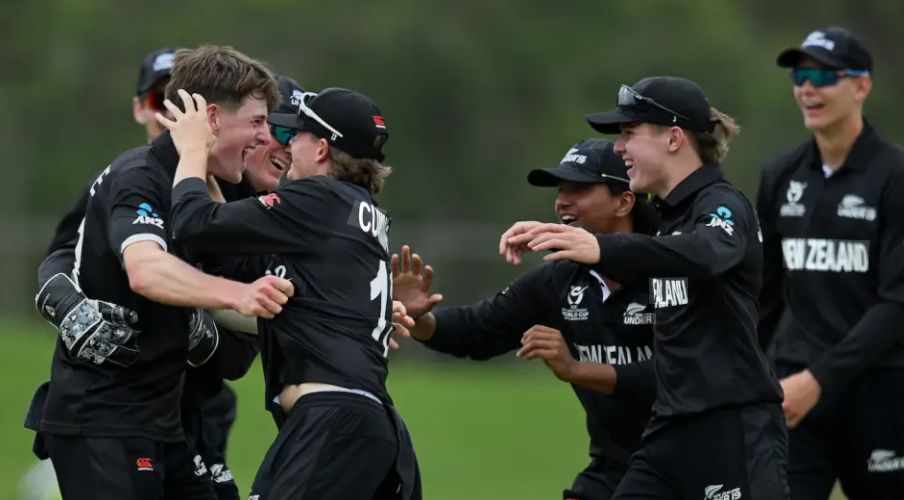
The clashes between these two under 19 sides delivered far more than ordinary youth cricket matches. Every encounter carried pressure, emotion, and the desire to prove dominance on the international stage. One team relied on discipline, tactical awareness, and structured cricket, while the other brought fearless energy and aggressive intent. Their contests produced thrilling chases, dramatic bowling spells, and unforgettable partnerships that captured the attention of cricket fans around the world. Several young players used these matches as stepping stones toward senior international careers. From tense ICC tournament battles to emotional finishes, this rivalry slowly became one of the most exciting stories in modern youth cricket history.
Latest Matches Table
Date
Tournament Venue
First Innings
Second Innings
Winner and Margin
23 January 2024
Buffalo Park, East London
Afghanistan U19: 91/10 (21.3 ov)
New Zealand U19: 92/9 (28.2 ov)
New Zealand U19 won by 1 wicket
25 January 2018
Hagley Oval, Christchurch
Afghanistan U19: 309/6 (50 ov)
New Zealand U19: 107/10 (28.1 ov)
Afghanistan U19 won by 202 runs
09 February 2016
Sheikh Kamal Stadium, Cox’s Bazar
New Zealand U19: 135/10 (44.3 ov)
Afghanistan U19: 136/2 (27.3 ov)
Afghanistan U19 won by 8 wickets
25 January 2016
BKSP Ground, Savar
New Zealand U19: 213/10 (47.3 ov)
Afghanistan U19: 200/10 (49 ov)
New Zealand U19 won by 13 runs
14 August 2012
John Blanck Oval, Buderim
New Zealand U19: 199/10 (50 ov)
Afghanistan U19: 191/10 (50 ov)
New Zealand U19 won by 8 runs
All-Time Head-to-Head Record Table
Team
Matches Played
Matches Won
Matches Lost
No Result / Tied
Win Percentage
New Zealand U19
5
3
2
0
60.00%
Afghanistan U19
5
2
3
0
40.00%
All-Time Batting Leaders Table
Player Name
Team
Matches Played
Total Runs Scored
Highest Score
Batting Average
Rahmanullah Gurbaz
Afghanistan U19
1
69
69
69.00
Ibrahim Zadran
Afghanistan U19
1
68
68
68.00
Azmatullah Omarzai
Afghanistan U19
1
66
66
66.00
Ikram Alikhil
Afghanistan U19
2
61
55
30.50
Glenn Phillips
New Zealand U19
2
57
43
28.50
All-Time Bowling Leaders Table
Player Name
Team
Overs Bowled
Wickets Taken
Best Bowling Figures
Economy Rate
Matt Rowe
New Zealand U19
8.0
5
5/21
2.62
Mujeeb Ur Rahman
Afghanistan U19
10.0
4
4/14
1.40
Qais Ahmad
Afghanistan U19
8.1
4
4/33
4.04
Allah Ghazanfar
Afghanistan U19
10.0
3
3/29
2.90
Tariq Stanikzai
Afghanistan U19
9.0
3
3/37
4.11
When Young Cricketers Faced Their First Real Test
The early meetings between these two youth sides created an atmosphere filled with curiosity and pressure. One team arrived with a disciplined cricket structure while the other carried fearless energy and aggressive intent. Their first clashes were not just about runs and wickets because both sides wanted global recognition at youth level. Fast bowlers attacked with short deliveries while spinners slowed the tempo during middle overs. Several young batters handled tense situations with maturity far beyond their age. Crowds slowly started noticing the growing competitiveness between the teams as close finishes and emotional celebrations became common. Coaches focused heavily on field placements, bowling changes, and powerplay control to gain small advantages. Young all rounders became crucial because they balanced the side during difficult phases. Every contest helped future international players gain confidence before stepping into senior cricket. These matches also proved that youth cricket could deliver drama, pressure, and unforgettable performances equal to major international tournaments across the cricketing world.
The young squad from Afghanistan entered global youth tournaments with confidence that surprised traditional cricket nations. Their players attacked spin bowling aggressively and never hesitated to challenge experienced opponents. Over time, their fearless style became one of the most talked about aspects of youth cricket. Batters preferred positive stroke play during powerplays while bowlers relied heavily on attacking lines to force mistakes. The team also improved its fielding standards, turning half chances into game changing moments. Fans admired the passion shown after every wicket because celebrations reflected the emotional importance of each victory. Several matches became intense due to aggressive bowling spells and dramatic run chases. Coaches built strategies around spin pressure during middle overs and quick scoring during the final ten overs. Young players developed strong mental toughness because many games were played under tournament pressure. Their performances gradually transformed public perception and proved they could challenge stronger cricket systems with courage, discipline, and tactical awareness.
Match Phase
Batting Style
Bowling Plan
Key Strength
Crowd Reaction
Powerplay Overs
Aggressive Start
Swing Attack
Quick Runs
Loud Support
Middle Overs
Rotation Strike
Spin Pressure
Patience
Growing Tension
Death Overs
Boundary Hitting
Yorkers
Finishing Ability
Emotional Moments
Chase Situation
Controlled Tempo
Defensive Field
Calm Mindset
Nervous Silence
New Zealand’s Discipline Created Tough Challenges
The youth side from New Zealand approached every major match with tactical preparation and calm decision making. Their structure was built around disciplined bowling, patient batting, and intelligent captaincy under pressure. Young seamers consistently attacked good lengths while fielders maintained pressure with sharp catching standards. Batters focused on partnerships rather than risky strokes during crucial moments. This approach helped them remain competitive in difficult tournament conditions. Coaches carefully studied opposition weaknesses before matches and adjusted bowling rotations depending on pitch behavior. Their ability to stay composed during tense finishes became one of the biggest strengths in youth competitions. Several players displayed maturity through patient innings that slowly changed momentum in favor of the team. Crowds appreciated the calm attitude shown even after dramatic wickets or missed opportunities. Their cricket style reflected balance, planning, and consistency which made every contest against aggressive opponents extremely competitive. These qualities helped create memorable clashes filled with tactical battles and emotional pressure.
Cricket Aspect
Strategy Used
Match Impact
Player Role
Result Effect
Opening Overs
Controlled Bowling
Early Wickets
Fast Bowlers
Pressure Build Up
Batting Approach
Partnership Focus
Stable Score
Top Order
Match Control
Spin Usage
Defensive Lines
Slower Run Rate
Spinners
Momentum Shift
Field Placement
Close Catchers
Forced Errors
Captain
Tactical Advantage
Rising Tension Turned Matches Into Rivalry Battles
As the teams faced each other more often, the atmosphere slowly changed from simple competition into a developing rivalry. Every new encounter carried emotional intensity because previous close finishes remained fresh in players’ minds. Young captains often used aggressive field placements and attacking bowling changes to dominate important phases. Verbal exchanges occasionally increased pressure, especially during tense run chases and wicket celebrations. Fans became emotionally invested because matches regularly produced dramatic turning points. Batters tried to counter pressure through fearless stroke play while bowlers responded with hostile short balls and sharp spin variations. Partnerships often decided the outcome because one steady stand could completely shift momentum. Coaches emphasized mental strength and game awareness during tournament preparation. The rivalry also created opportunities for emerging stars to prove themselves against strong opposition. These encounters became known for competitive spirit, tactical battles, and emotional reactions that reflected the growing importance of youth cricket on the international stage.
Rivalry Moment
Team Response
Key Player Role
Pressure Point
Final Outcome
Early Collapse
Counterattack
Middle Order Batter
Run Rate Pressure
Recovery Effort
Spin Dominance
Defensive Batting
Senior Batter
Wicket Losses
Match Balance
Fast Bowling Spell
Aggressive Shots
Opener
Short Ball Attack
Momentum Swing
Final Overs
Calm Finishing
All Rounder
Boundary Requirement
Dramatic Finish
Captains Became the Heart of Big Encounters
Leadership played a massive role in shaping memorable youth contests between these sides. Captains were expected to manage pressure, rotate bowlers, and inspire teammates during difficult moments. Several young leaders impressed observers through calm decision making under tournament stress. Bowling changes during middle overs often changed the direction of important games. Some captains preferred attacking fields while others trusted defensive strategies to protect totals. Their body language also influenced team confidence during tense situations. Batting captains carried additional pressure because they needed to balance personal performance with leadership responsibilities. Tactical awareness became crucial during powerplays and death overs where small mistakes could decide outcomes. Fans admired captains who showed courage during difficult chases or defended low totals through smart field settings. Leadership battles added another layer of excitement to the rivalry and helped several future international players gain valuable experience before entering senior cricket competitions around the world.
Captaincy Area
Tactical Decision
Match Situation
Team Benefit
Overall Impact
Bowling Rotation
Early Spin Attack
Slow Pitch
Controlled Runs
Momentum Gain
Batting Order
Promoted Finisher
Run Chase
Faster Scoring
Match Pressure
Field Changes
Close Catchers
New Batter
Wicket Chance
Tactical Success
Death Overs
Pace Variation
Tight Finish
Boundary Prevention
Narrow Victory
Bowling Attacks Controlled the Biggest Moments
Many unforgettable moments in these youth contests were created by bowlers who handled pressure brilliantly. Fast bowlers used bounce and movement to trouble aggressive batters during opening overs. Spinners later slowed scoring rates and forced risky shots in middle phases. Several matches changed direction completely because of one outstanding bowling spell. Yorkers during death overs became especially important when chasing sides required quick boundaries. Captains relied heavily on bowlers who remained calm under pressure situations. Fielders also supported bowling units with diving saves and sharp catches near the boundary line. Some young bowlers developed reputations for delivering breakthroughs exactly when needed. Fans reacted emotionally to wicket celebrations because every dismissal carried huge tournament significance. Bowling performances often shaped rivalry narratives more than batting statistics because disciplined spells created pressure that changed momentum. These contests highlighted how strong bowling attacks remain essential in high pressure youth cricket tournaments.
Bowling Style
Key Strength
Match Situation
Batter Reaction
Result
Fast Bowling
Swing Movement
Opening Overs
Defensive Play
Early Wickets
Leg Spin
Turn Variation
Middle Overs
Risky Shots
Pressure Build
Seam Bowling
Yorkers
Death Overs
Missed Boundaries
Tight Finish
All Round Attack
Mixed Variations
Chase Situation
Confused Batting
Match Control
Future International Stars Emerged From These Matches
Several players who participated in these youth clashes later became recognized names in international cricket. Their performances during under 19 tournaments provided early signs of future success. Batters who handled pressure chases matured into dependable senior players while bowlers developed confidence through difficult spells against quality opposition. Coaches and selectors closely watched these matches because they revealed mental toughness and tactical understanding. Fans often remembered specific innings or bowling spells long after tournaments ended because those moments marked the rise of future stars. Young all rounders impressed audiences with their ability to influence matches in multiple departments. Leadership qualities also became visible during pressure situations where captains inspired teammates through composure and smart decisions. These contests therefore carried importance beyond simple results because they helped shape careers and international cricket journeys. The rivalry became a valuable learning ground where future professionals gained experience, confidence, and recognition on the global cricket stage.
Emerging Talent
Key Skill
Memorable Performance
Match Influence
Future Potential
Opening Batter
Aggressive Stroke Play
Fast Fifty
Quick Momentum
International Prospect
Spin Bowler
Sharp Turn
Three Wickets
Middle Overs Control
Rising Star
All Rounder
Balanced Skills
Match Winning Effort
Complete Impact
Leadership Candidate
Fast Bowler
Pace Attack
Early Breakthroughs
Pressure Creation
Senior Team Hope
Conclusion
The journey between these youth teams showcased how competitive under 19 cricket can shape the future of international cricket. Their matches were filled with tactical battles, emotional moments, and performances that revealed the next generation of cricket stars. Bowlers created pressure during crucial overs while batters responded with fearless stroke play under difficult conditions. Captains displayed maturity, leadership, and calm decision making during tense situations. Every encounter added another memorable chapter to this growing rivalry. More importantly, these contests helped young cricketers gain valuable experience before reaching the senior level. The rivalry remains a symbol of passion, determination, and the rising quality of global youth cricket.