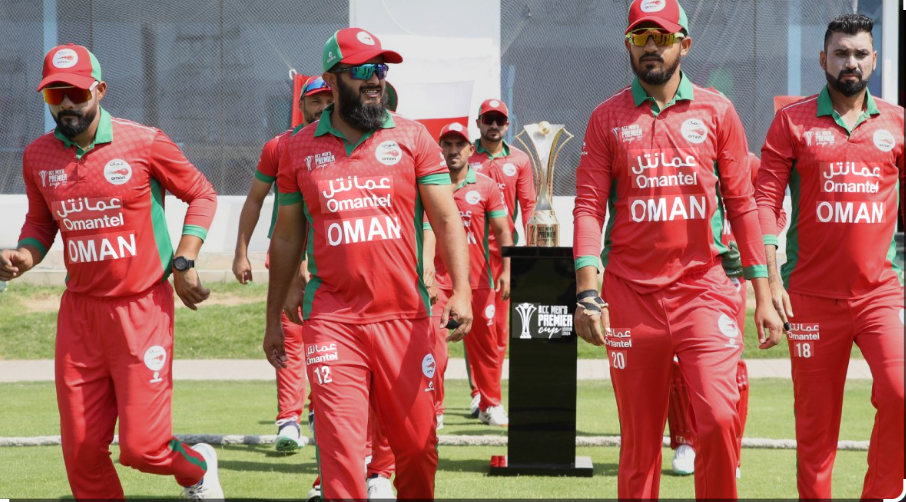
The timeline between the two emerging cricket sides reflects a steady rise in competitiveness, where every encounter has added a new layer to their growing cricketing identity. From early associate-level meetings to high-pressure ICC fixtures, both teams have consistently pushed each other to evolve in skill, strategy, and mental strength. What began as occasional clashes has gradually transformed into a structured rivalry shaped by tactical battles, standout individual performances, and shifting momentum across tournaments. Each match has contributed to a broader story of resilience and ambition, highlighting how associate cricket continues to grow in intensity and global relevance through such meaningful contests.
Latest Matches
Date
Format
Venue
Winner
Margin
Oman Score
Namibia Score
10 April 2026
ODI
Windhoek
Namibia
1 wicket
218/9
223/9
04 April 2026
ODI
Windhoek
Oman
3 wickets
274/7
268/7
16 February 2025
ODI
Al Amerat
Oman
2 wickets
97/8
96
10 February 2025
ODI
Al Amerat
Namibia
23 runs
146
169
24 July 2024
ODI
Dundee
Oman
4 wickets
200/6
196/9
18 July 2024
ODI
Dundee
Namibia
6 wickets
233
234/4
Team Statistics Summary
Format
Played
Oman Wins
Namibia Wins
Tied
No Result
Win Percentage Oman
ODI
9
4
5
0
0
44.44
T20I
6
2
3
1
0
33.33
List A
1
1
0
0
0
100.00
Overall
16
7
8
1
0
43.75
Individual Batting Records
Player
Team
Matches
Innings
Total Runs
Highest Score
Average
Aqib Ilyas
Oman
14
14
438
81
33.69
Gerhard Erasmus
Namibia
15
15
412
76
29.42
Jatinder Singh
Oman
12
12
355
68
29.58
Michael van Lingen
Namibia
10
10
318
103
31.80
JJ Smit
Namibia
13
11
294
60
26.72
Kashyap Prajapati
Oman
11
11
281
72
25.54
Individual Bowling Records
Player
Team
Matches
Overs
Wickets
Best Bowling
Economy
Bilal Khan
Oman
15
118.2
26
5/19
4.85
Bernard Scholtz
Namibia
16
124.0
22
4/21
3.92
Ruben Trumpelmann
Namibia
11
86.4
19
4/30
4.68
Zeeshan Maqsood
Oman
14
92.1
17
4/15
4.23
Tangeni Lungameni
Namibia
9
68.0
14
3/25
4.91
Kaleemullah
Oman
13
95.0
13
3/28
4.52
Early Encounters in Associate Cricket
The first competitive meetings between the two emerging cricket sides came during ICC associate tournaments, where both teams were still shaping their identities on the global stage. These early matches were not just about winning but about proving consistency under international pressure. One side relied heavily on disciplined bowling units that focused on tight lines and building pressure through dot balls, while the other leaned on aggressive batting starts to unsettle opponents early. The conditions often played a decisive role, with slower pitches favoring spin-heavy strategies and making stroke play difficult. These encounters slowly built a sense of respect and awareness between the two teams. Even when one team dominated certain phases, the other always found moments to recover through middle-order resilience or unexpected bowling breakthroughs. Over time, these matches became the foundation of a competitive timeline that would later grow into a closely followed associate-level rivalry.
Match Phase
Dominant Strategy
Key Strength
Match Condition
Outcome Pattern
Early Overs
Defensive bowling
Dot ball pressure
Slow pitches
Low scoring starts
Middle Overs
Spin control
Wicket building
Dry surfaces
Momentum shifts
Death Overs
Controlled hitting
Lower order resistance
Variable bounce
Tight finishes
Overall
Balanced play
Field discipline
Mixed conditions
Competitive results
Building Team Identity and Playing Philosophy
As both sides progressed in international associate cricket, their playing identities became more defined and structured. One team built its approach around disciplined bowling rotations and calculated batting partnerships, ensuring minimal risk in the early stages of innings. The other developed a more pace-oriented attack strategy combined with athletic fielding standards that often saved crucial runs in tight matches. Coaching systems and domestic structures began influencing their international performances more visibly. Player selection started reflecting specialized roles rather than general skill sets, with certain individuals assigned specific responsibilities such as anchoring innings or controlling middle overs with spin or seam variations. This phase marked a shift from unpredictable performances to more strategic and planned execution on the field. As a result, matches between these two teams became more tactical, with small decisions such as bowling changes or batting order adjustments having a major impact on outcomes.
Team Structure Area
Approach Type
Tactical Focus
Key Strength Area
Match Impact
Batting Plan
Structured
Partnership building
Top order stability
Controlled innings
Bowling Plan
Rotational
Pressure creation
Economy control
Wicket clusters
Field Strategy
Aggressive
Run saving
Athletic fielding
Reduced boundaries
Leadership
Tactical
Decision timing
Game awareness
Match control
First High Pressure ICC Encounter
The first major ICC meeting between these two sides marked a turning point in their competitive timeline. The match carried significant pressure as qualification stakes were high and every run or wicket had amplified importance. One team started cautiously, focusing on preserving wickets during the powerplay, while the opposition attacked early with pace variations and strategic field placements. The middle overs became the defining phase where momentum repeatedly shifted due to quick wickets and counter-attacking partnerships. Fielding intensity was noticeably high, with both teams saving crucial runs through diving stops and boundary-line efforts. As the match approached its final stages, the tension increased and decision-making under pressure became the deciding factor. A few missed opportunities in the field and a couple of well-timed boundaries eventually separated the sides. This encounter set the tone for future meetings, proving that even small tactical errors could decide outcomes at this level.
Innings Phase
Batting Focus
Bowling Plan
Key Event Type
Pressure Level
Powerplay
Cautious start
Pace attack
Early wickets
High
Middle Overs
Stabilization
Spin control
Partnership breaks
Very High
Death Overs
Acceleration
Yorker strategy
Boundary pressure
Extreme
Final Overs
Risk play
Defensive field
Match deciding moments
Critical
Turning Point Match That Shifted Momentum
One particular encounter in the timeline is often remembered as the turning point that shifted the balance of confidence between the two sides. In this match, early dominance by one team created expectations of a comfortable win, but the opposition staged a remarkable comeback through disciplined bowling spells and calculated batting aggression. The turning phase came during the middle overs when back-to-back wickets disrupted a strong batting foundation. This allowed the chasing side to rebuild momentum through a composed partnership that focused on strike rotation rather than risky shots. Fielding pressure also played a key role, as sharp catches and run-out chances increased psychological stress. The final overs turned into a battle of nerves, where execution under pressure determined the result. This match became symbolic of how unpredictable associate cricket can be, where momentum can swing within a few overs and redefine a rivalry’s direction.
Match Phase
Dominant Side
Key Moment
Turning Factor
Result Impact
First Half
Team A
Strong start
Opening partnership
High control
Middle Overs
Team B
Wicket burst
Bowling spell
Momentum shift
Recovery Phase
Team A
Stabilization
Rotation strategy
Balance restored
Final Overs
Team B
Death bowling
Pressure execution
Match win
Player Rivalries and Individual Battles
Over time, specific player matchups became central to the narrative of this rivalry. Top-order batters from one side frequently faced high-quality pace attacks from the opposition, creating intense one-on-one battles that often decided early momentum. Similarly, spin bowlers played a crucial role in restricting scoring rates during the middle overs, especially when facing aggressive hitters. Certain players consistently performed well in these encounters, building reputations as match-winners under pressure. The psychological aspect also became important, as repeated meetings between key players created familiarity and strategic planning. Coaches began preparing specific plans to neutralize star performers, which added another layer of tactical depth. These individual battles not only influenced match outcomes but also shaped how fans perceived the rivalry, turning it into a collection of personal contests within a larger team framework.
Player Role
Team A Strength
Team B Strength
Key Matchup Type
Impact Level
Top Order
Stroke play
Fast bowling
Early overs battle
High
Middle Order
Stability
Spin attack
Control phase
Very High
Bowlers
Variation
Power hitting
Death overs clash
Critical
Fielders
Consistency
Agility
Run saving
Medium
Tactical Evolution Across Matches
As the rivalry progressed, both teams evolved their tactical approach significantly. One side began emphasizing data-driven decisions, including match-up-based bowling changes and batting order flexibility depending on conditions. The other team improved its adaptability by strengthening its bench depth and introducing role-specific training programs. Powerplay strategies became more aggressive, with intent to either dominate early or minimize damage depending on match conditions. Middle overs saw increased experimentation with spin rotations and slower ball variations. Death overs execution improved on both sides, with yorker accuracy and boundary prevention becoming critical focus areas. This evolution made matches more unpredictable and strategically rich, as both teams continuously adjusted to each other’s strengths and weaknesses.
Tactical Area
Early Approach
Evolved Strategy
Key Improvement
Match Effect
Powerplay
Conservative
Adaptive aggression
Run rate control
Better starts
Middle Overs
Fixed roles
Flexible spin use
Wicket control
Momentum shifts
Death Overs
Basic defense
Specialized plans
Yorker accuracy
Close finishes
Field Setup
Standard
Analytical
Data-driven placement
Run reduction
High Pressure Tournament Clashes
Several encounters in ICC qualifiers and tournament stages added significant intensity to this rivalry. These matches often had qualification implications, making every ball crucial. One side frequently relied on building steady totals, while the other focused on chasing under pressure with calculated aggression. Net run rate scenarios sometimes influenced tactical decisions, leading to unusual batting or bowling strategies. Mistakes such as dropped catches or misjudged singles often had amplified consequences due to tournament stakes. These matches also highlighted the importance of experienced players who could handle pressure situations effectively. The emotional intensity of these games was high, with celebrations and disappointments reflecting the importance of each result in the broader tournament context.
Tournament Stage
Strategy Focus
Key Pressure Factor
Match Behavior
Outcome Trend
Group Stage
Balance play
Qualification points
Controlled risk
Tight games
Knockouts
Aggression
Elimination pressure
High intensity
Close results
Net Run Rate Matches
Scoring speed
Mathematical pressure
Tactical shifts
Unusual strategies
Final Qualifiers
Full intensity
Survival stakes
Maximum effort
High drama
Long Term Legacy of the Rivalry Timeline
Over the years, this rivalry has grown into a respected contest within associate cricket, symbolizing the progress and competitiveness of emerging cricket nations. Both sides have contributed significantly to raising the standard of the game through disciplined performances and evolving tactical awareness. The matches have also helped players gain exposure to high-pressure environments, preparing them for larger international stages. Beyond results, the rivalry represents growth, resilience, and the increasing competitiveness of associate cricket globally. It continues to inspire younger players and strengthens cricket development structures in both nations. The timeline of encounters reflects not just wins and losses but also the evolution of cricketing identity on both sides.
Legacy Aspect
Contribution Area
Long Term Impact
Development Outcome
Global Effect
Player Growth
Exposure
Skill improvement
Better performances
Higher standards
Team Strategy
Tactical evolution
Smarter gameplay
Structured planning
Competitive balance
Fan Engagement
Rising interest
Support growth
Increased following
Global recognition
Associate Cricket
Competition level
Stronger tournaments
Improved rankings
Wider visibility
Conclusion
The journey between these two teams stands as a strong example of how associate cricket rivalries develop into meaningful competitive narratives over time. Each match has influenced rankings, confidence, and long-term planning, while also showcasing emerging talent on both sides. The timeline reflects not just results but also tactical maturity, emotional pressure, and evolving cricketing standards. As both teams continue to grow, their encounters are expected to become even more strategic and high-stakes. This rivalry now represents progress, determination, and the spirit of international cricket development, promising even more exciting chapters in future meetings.