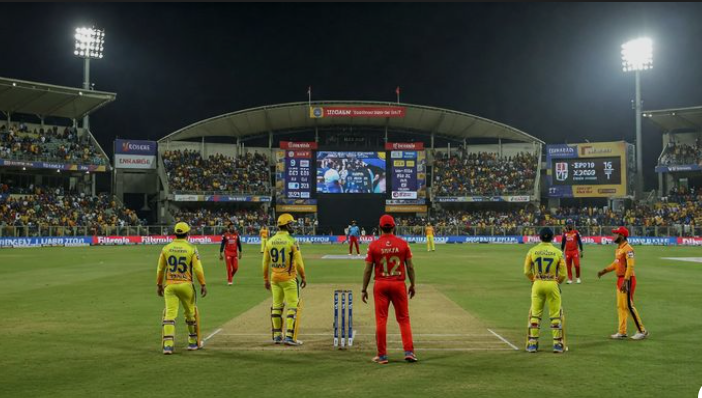
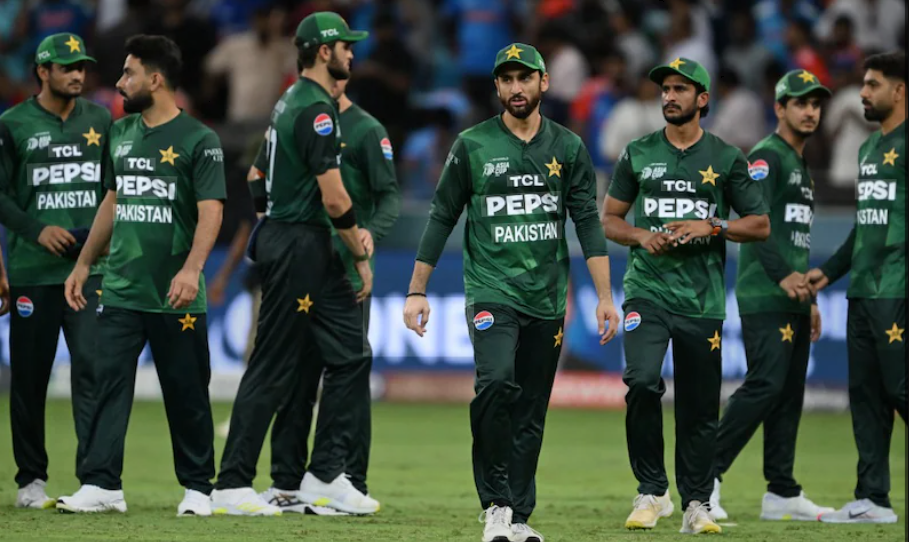
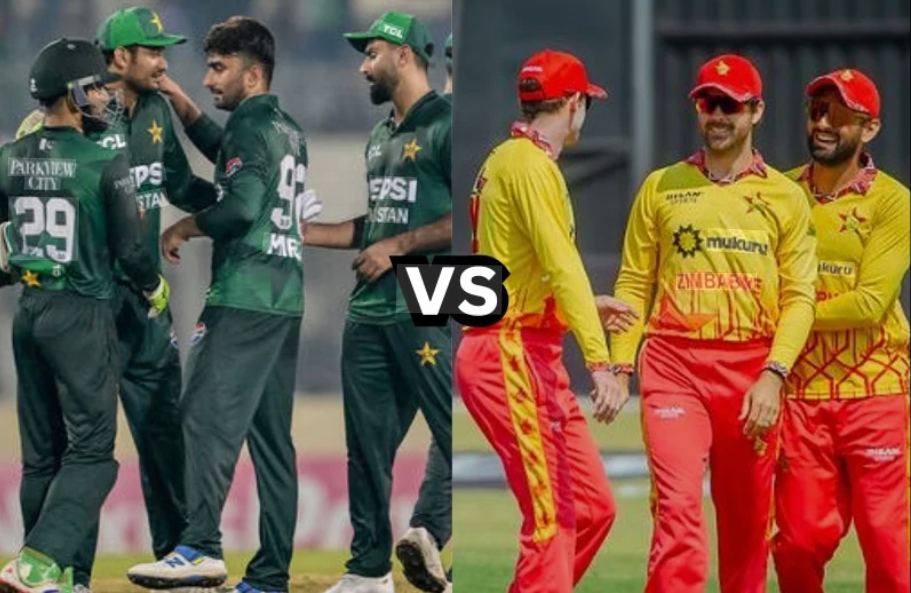
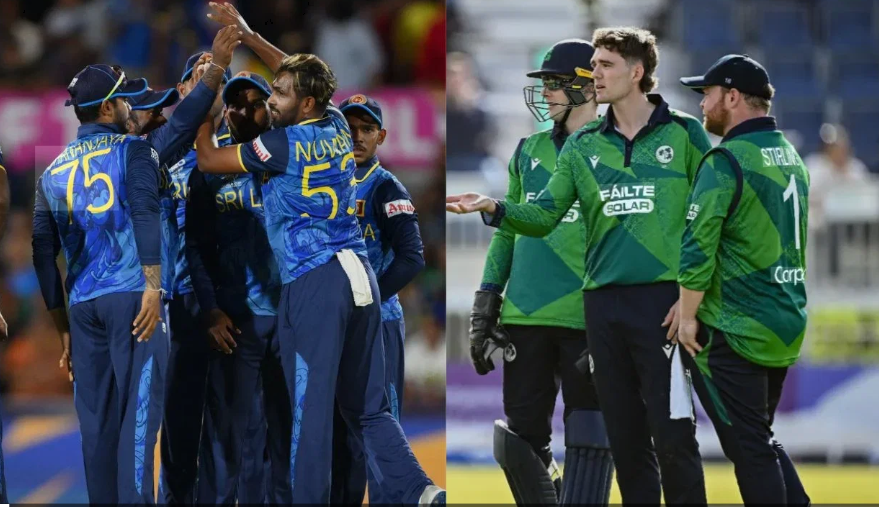
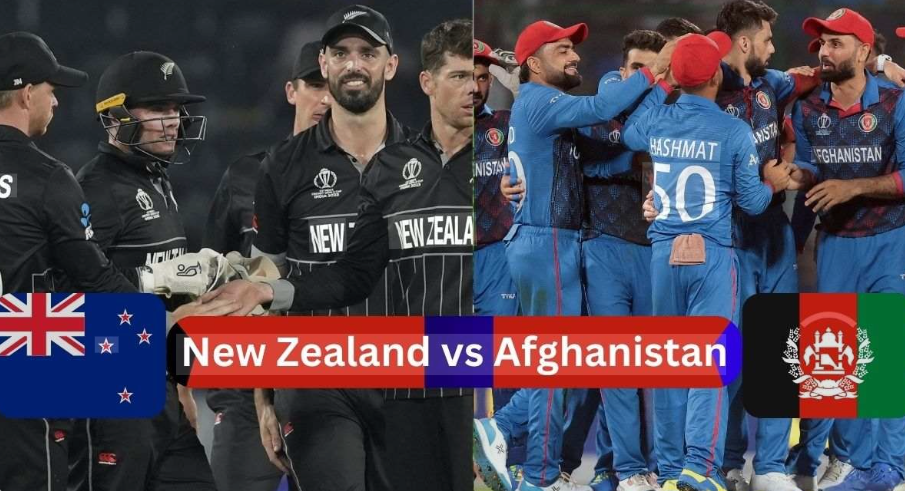
Cricket encounters between these two sides reflect a journey of contrast, growth, and evolving competitiveness. One team entered the international arena with a long-established cricket system, tactical discipline, and deep experience in global tournaments. The other side rose through determination, raw talent, and rapid improvement on the world stage. Their meetings in ICC events and bilateral contests have produced moments of dominance, resistance, and steady learning. Over time, the gap in experience began to narrow as exposure shaped skills and mindset. Each match added a new layer to their cricketing timeline, making their encounters more than just games, but a story of development, strategy, and resilience.
Latest Matches Table
Date
Format
Venue
Winner
Margin
8 February 2026
T20I
Chennai
New Zealand
5 wickets
8 June 2024
T20I
Guyana
Afghanistan
84 runs
18 October 2023
ODI
Chennai
New Zealand
149 runs
7 November 2021
T20I
Abu Dhabi
New Zealand
8 wickets
8 June 2019
ODI
Taunton
New Zealand
7 wickets
8 March 2015
ODI
Napier
New Zealand
6 wickets
All-Time Head-to-Head Record Table
Format
Matches
New Zealand Wins
Afghanistan Wins
No Result
ODI
3
3
0
0
T20I
3
2
1
0
Total
6
5
1
0
All-Time Batting Leaders Table
Player
Team
Matches
Runs
Highest Score
Rahmanullah Gurbaz
Afghanistan
3
113
80
Glenn Phillips
New Zealand
3
113
71
Najibullah Zadran
Afghanistan
3
78
73
Gulbadin Naib
Afghanistan
2
67
63
Tim Seifert
New Zealand
1
65
65
All-Time Bowling Leaders Table
Player
Team
Matches
Wickets
Best Bowling
Trent Boult
New Zealand
3
7
3/17
Rashid Khan
Afghanistan
4
6
4/17
Fazalhaq Farooqi
Afghanistan
2
4
4/17
Matt Henry
New Zealand
3
4
2/27
Lockie Ferguson
New Zealand
2
3
2/40
Early Competitive Gap in International Cricket
The opening phase of encounters between the two sides showed a clear difference in experience and exposure at the global level. One team entered the international stage with a long-standing cricket structure, strong domestic systems, and a history of handling pressure in major tournaments. The other side was still building its foundation, relying heavily on natural talent, spin strength, and fearless intent. This gap was visible in match rhythm, shot selection, and bowling discipline. The experienced team often controlled the tempo early in games, especially in powerplay overs, while the emerging side tried to find stability through individual brilliance. Despite the imbalance, there were moments where resistance emerged, especially through spin spells and middle-order resilience. These early contests created a learning curve that shaped future performances and slowly reduced the gap in competitiveness over time.
Match Phase
Dominant Side
Key Strength
Turning Factor
Result Trend
Powerplay
Experienced
Seam control
Early wickets
One-sided
Middle Overs
Emerging
Spin attack
Pressure build
Competitive
Death Overs
Experienced
Batting depth
Finishing skill
Controlled
Fielding
Experienced
Athleticism
Saves/run outs
Advantage
Entry into Major ICC Tournaments
As both teams began appearing in ICC tournaments, the intensity of competition increased significantly. The emerging side earned qualification through consistent performances in associate-level competitions, eventually reaching the highest stage of world cricket. This transition brought exposure to elite bowling attacks and high-pressure batting scenarios. The established team, meanwhile, entered these matches with strong expectations of dominance and tactical superiority. The atmosphere of global tournaments added pressure on younger players, especially when facing packed stadiums and experienced opposition units. However, these matches also became platforms for breakthrough performances, where individual players showcased their ability to compete at the highest level. Over time, the exposure helped reduce nervousness and improved decision-making under pressure, leading to more competitive scorelines in later encounters.
Tournament Type
Experience Level
Pressure Handling
Batting Stability
Bowling Impact
World Cup
High vs Low
Uneven
Developing
Strong vs Emerging
T20 Events
Balanced growth
Improving
Inconsistent
Spin dependent
Qualifiers
Emerging strong
Confident
Stable
Dominant spin
ICC League
Experienced edge
Controlled
Solid
Tactical
Early Match Encounters and Tactical Control
The first official meetings between the two sides highlighted contrasting cricket philosophies. One side relied on structured game plans, disciplined bowling lines, and calculated batting approaches. The other approached the game with aggression, relying on instinct and spin variations to create breakthroughs. Early innings often saw pressure built through tight bowling spells, restricting scoring opportunities. Batting collapses occasionally occurred when disciplined seam attacks exploited technical weaknesses. However, there were also moments when counterattacks disrupted established plans, especially during middle overs where spin came into play. These tactical battles defined early scorecards, often showing clear dominance but with flashes of resistance that hinted at future competitiveness.
Strategy Area
Team A Strength
Team B Strength
Outcome Factor
Match Influence
Batting Plan
Structured play
Aggressive intent
Consistency vs risk
Moderate
Bowling Plan
Seam control
Spin variation
Pressure creation
High
Field Setup
Adaptive field
Defensive setup
Run restriction
Medium
Match Tempo
Controlled
Unpredictable
Momentum shifts
High
Bowling Battles and Game-Changing Spells
Bowling performances often dictated the outcome of matches between the two sides. The experienced team’s fast bowlers consistently targeted early breakthroughs, using movement and accuracy to disrupt batting rhythm. On the other hand, the emerging team relied heavily on spin combinations to control the middle overs and create wicket-taking opportunities. Several matches featured key spells where a single bowler changed the direction of the game within a few overs. These spells often appeared in scorecards as clusters of wickets that triggered collapses or slowed scoring rates. The contrast between pace dominance and spin control created a tactical balance that defined many encounters. Over time, both teams learned to adapt, but early dominance in bowling remained a deciding factor in most matches.
Bowling Phase
Dominant Skill
Key Outcome
Match Effect
Wicket Pattern
Powerplay
Seam movement
Early wickets
Pressure build
Cluster wickets
Middle Overs
Spin control
Run restriction
Slow scoring
Mixed breakthroughs
Death Overs
Yorkers/slower
Finishing control
Limited runs
Occasional wickets
Pressure Overs
Accuracy
Game shift
Momentum change
Crucial wickets
Batting Performance Patterns Under Pressure
Batting performances varied significantly depending on match conditions and opposition pressure. The experienced team displayed greater composure, rotating strike efficiently and building partnerships that anchored innings. In contrast, the emerging side often depended on individual brilliance rather than structured partnerships. This led to inconsistent score progression, especially when early wickets fell. However, there were standout innings where middle-order resilience challenged expectations and shifted momentum temporarily. Shot selection, strike rotation, and ability to handle short-pitched deliveries played key roles in determining outcomes. Over time, batting confidence improved, but early encounters highlighted a clear gap in consistency and adaptability under pressure situations.
Batting Phase
Stability Level
Key Strength
Weakness Area
Score Impact
Top Order
Moderate
Aggression
Early collapse
Unstable start
Middle Order
Developing
Resistance
Consistency
Variable
Partnerships
Low to Medium
Occasional stability
Breakdown risk
Critical
Finishers
Experienced edge
Controlled finishing
Limited exposure
Strong
Fielding Standards and Pressure Execution
Fielding played a crucial role in separating the two sides during early encounters. The experienced team consistently saved crucial runs through sharp ground fielding and athletic catching. Direct hits and boundary saves often shifted momentum during tight phases. The emerging side showed improvement over time but struggled with consistency, especially under high-pressure tournament conditions. Dropped catches and misfields occasionally changed match direction, allowing opposition teams to capitalize. However, there were also moments of brilliance, including sharp run-outs and diving stops that showcased rapid development. Fielding efficiency became a key factor in deciding close matches and reflected the maturity difference between both sides during early years.
Fielding Aspect
Experienced Side
Emerging Side
Impact Level
Match Outcome Influence
Catching
High consistency
Improving
High
Major
Ground Fielding
Elite standard
Developing
Medium
Moderate
Direct Hits
Frequent success
Rare success
High
Game changing
Pressure Handling
Calm execution
Nervous errors
Very High
Decisive
Psychological Pressure and Competitive Mindset
Mental strength played a defining role in shaping early encounters. The experienced side entered matches with calm confidence, backed by years of exposure to high-pressure tournaments. The emerging side, meanwhile, often faced psychological pressure when competing against established teams on the world stage. This difference influenced decision-making during critical overs, especially in batting collapses and bowling under pressure. Over time, exposure helped reduce anxiety levels and improved game awareness. Players began showing greater composure, even in difficult situations. However, early psychological gaps often reflected directly in scorecards, particularly in close matches where experience became the deciding factor.
Factor
Experienced Side
Emerging Side
Match Influence
Outcome Effect
Pressure Handling
Strong
Developing
High
Critical
Decision Making
Fast & accurate
Improving
Medium
Moderate
Composure
Stable
Variable
High
Decisive
Match Awareness
Advanced
Growing
Medium
Significant
Evolution of Competitiveness Over Time
As more encounters took place, the competitive gap between the two sides began to narrow. The emerging team gained valuable experience from repeated exposure to elite opposition, improving both batting depth and bowling variety. Spin attacks became more refined, while batting units learned to build partnerships under pressure. The experienced side also adapted by strengthening middle overs strategies and improving handling of spin threats. This evolution reflected in closer scorecards, longer partnerships, and more competitive phases within matches. Over time, what was once a one-sided contest gradually transformed into a more balanced and tactical rivalry with moments of unpredictability.
Time Phase
Competitiveness
Batting Growth
Bowling Growth
Match Balance
Early Years
Low
Limited
Raw potential
One-sided
Mid Phase
Medium
Improving
Developing
Competitive
Recent Years
High
Stable
Tactical
Balanced
Current Phase
Rising
Strong
Advanced
Closely fought
Conclusion
The overall timeline of these encounters highlights how cricket evolves when experience meets ambition. Early matches were shaped by clear dominance, but the emerging side gradually adapted through exposure and learning. Tactical improvements, stronger batting depth, and refined bowling strategies helped close the competitive gap. The experienced team maintained consistency through structure and discipline, but the rising side proved capable of challenging established norms. Each clash contributed to a broader cricketing narrative of progress and adaptation. In the end, this timeline stands as a reflection of how persistence and experience together shape modern international cricket rivalries.